What Is Commercial Property Management? A Complete Guide
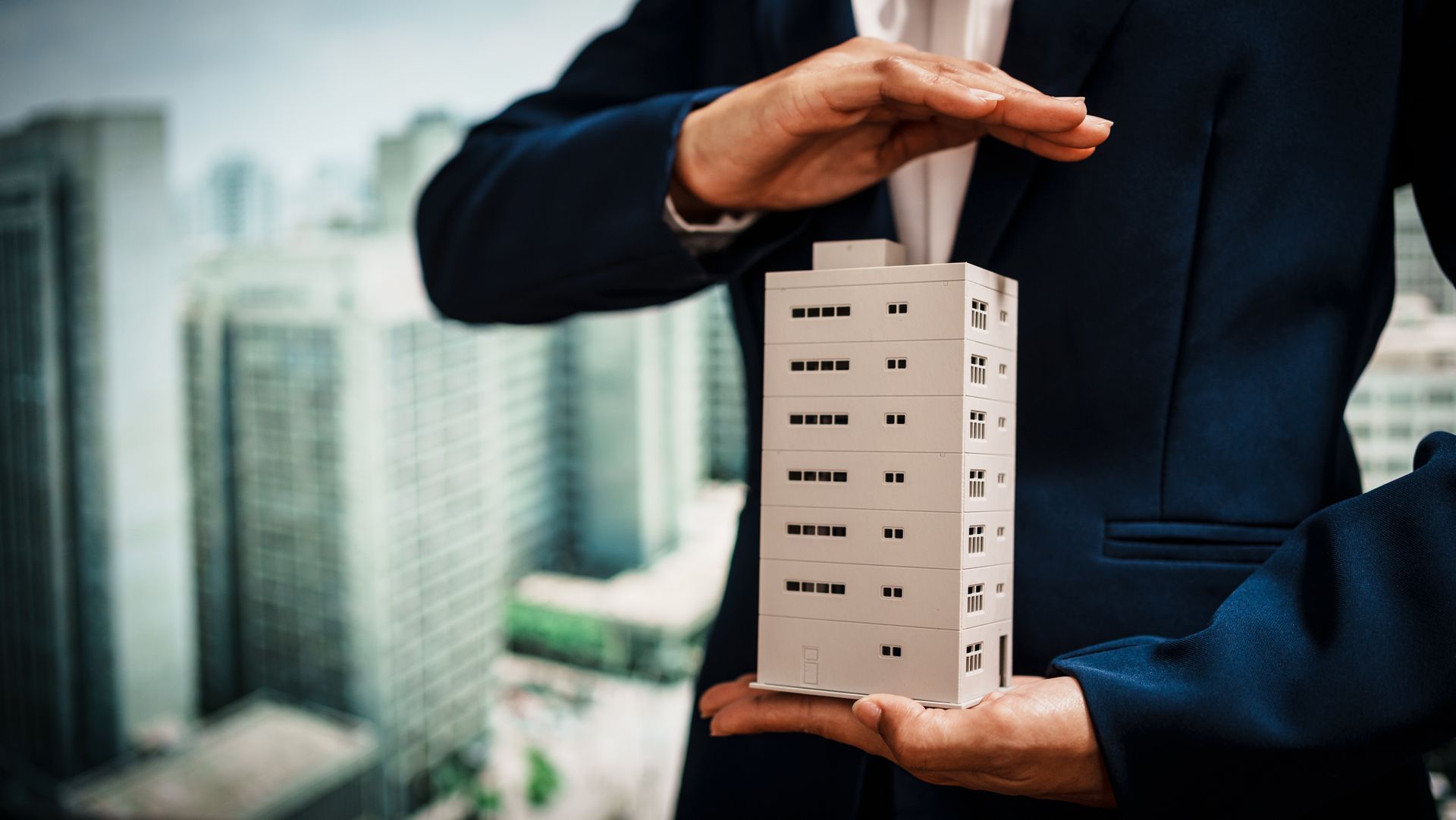
Commercial real estate can look relatively simple from the outside. A building has tenants, rent is collected, and the property produces income. But anyone who has owned or operated commercial real estate knows the reality is far more involved.
That’s where many owners begin asking the same question: What is commercial property management?
Commercial property management refers to the professional oversight of income-producing real estate. It includes the daily operations, financial coordination, tenant relations, maintenance planning, and long-term property oversight required to keep a building functioning properly and maintaining value.
Understanding commercial property management is especially important for owners of retail centers, office buildings, industrial spaces, or mixed-use properties. These assets often involve multiple tenants, complex lease agreements, and ongoing operational needs that require consistent attention.
Unlike residential property management, commercial real estate management typically involves longer leases, more technical maintenance needs, and closer financial oversight. A single building might include multiple tenants with different business operations, occupancy hours, and maintenance requirements.
Because of this complexity, many property owners rely on experienced professionals to help manage their properties effectively.
What Is a Commercial Property Manager?
A commercial property manager is the individual or company responsible for overseeing the operation of a commercial property on behalf of the owner. Their role is to ensure the property operates smoothly while protecting the owner's investment.
When people ask, “What is a commercial property manager?”, they are often surprised by how many responsibilities fall under the role. A commercial property manager may coordinate maintenance, oversee vendors, communicate with tenants, track lease obligations, and monitor financial performance.
Commercial property managers commonly oversee properties such as:
- Office buildings
- Retail centers
- Industrial properties
- Medical offices
- Warehouses
- Mixed-use developments
Owners may hire property managers when they own multiple buildings, live outside the area, or want professional oversight of daily operations.
In many cases, the property manager serves as the primary point of contact among tenants, vendors, and ownership.
What Does a Commercial Property Manager Do?
One of the most common questions owners ask is what does a commercial property manager do daily.
The answer depends on the size and complexity of the property, but several responsibilities are common to nearly every management arrangement.
Typical tasks include:
- Coordinating building maintenance
- Responding to tenant requests
- Scheduling inspections
- Overseeing repairs and service vendors
- Tracking lease agreements and deadlines
- Monitoring operating expenses
- Preparing financial reports for owners
Much of the work involves maintaining systems that keep a building running smoothly.
For example, a property manager may notice that a rooftop HVAC unit is showing signs of wear. Rather than waiting for the system to fail during peak summer heat, they might schedule preventative maintenance. That proactive decision can prevent tenant complaints and expensive emergency repairs.
What Is Included in Commercial Property Management?
Owners researching management services often ask, “What is included in commercial property management?”
While the exact services depend on the agreement, most commercial property management programs include five core responsibilities:
1. Tenant Communication
Commercial tenants rely on consistent communication with building management. When issues arise, such as maintenance concerns or operational questions,the property manager is often the first point of contact.
Good tenant relationships help reduce turnover and maintain occupancy levels.
2. Lease Administration
Commercial leases can include detailed provisions regarding rent adjustments, operating expenses, insurance requirements, and renewal options.
3. Maintenance Coordination
Commercial properties require ongoing maintenance. This may include:
- HVAC service
- Plumbing repairs
- Electrical work
- Landscaping
- Janitorial services
- Parking lot maintenance
Preventive maintenance programs are often used to extend the lifespan of building systems.
4. Financial Reporting
Property managers frequently prepare monthly or quarterly reports that outline property income, expenses, and operating costs.
These reports help property owners understand how their investment is performing.
5. Vendor Management
Commercial buildings rely on numerous contractors and service providers. Property managers coordinate these vendors, schedule work, and monitor service quality.
Managing these relationships is an important part of commercial property management.
What Is the Average Commercial Property Management Fee?
One of the most practical questions property owners ask is what is the average commercial property management fee.
In many markets, commercial property management fees range from 3% to 6% of collected rent, though the range can vary depending on the property's complexity.
It’s also important to look beyond just the percentage. Some management agreements include a broader scope of services, while others may charge additional fees for specific tasks.
Understanding what’s included helps determine whether the fee structure makes sense for your property.
What Is a Typical Property Management Fee?
Another question that often comes up is what a typical property management fee looks like in practice.
Commercial management fees are usually structured in one of several ways:
- A percentage of the monthly rent
- A flat monthly fee
- A per-square-foot management rate
The structure often depends on the type of building.
For example, a large industrial property with a single tenant may require less daily oversight than a retail center with multiple tenants and shared maintenance responsibilities.
Because of this variation, the answer to what is a typical property management fee can differ significantly from property to property.
What are the Average Management Fees for a Commercial Property?
A similar question often appears in another form: What are the average management fees for a commercial property?
While the wording may vary, the underlying issue remains the same—owners want to understand how management costs are typically structured.
When evaluating what the average management fees for a commercial property, owners should consider several factors:
- Number of tenants
- Building size and complexity
- Maintenance requirements
- Financial reporting expectations
- Lease administration responsibilities
In many cases, management fees reflect the operational workload required to effectively oversee the building.
How Commercial Property Management Works in Practice
Commercial property management is rarely just a checklist of routine tasks. In reality, it’s a balance between structured oversight and responding to the unexpected.
During a typical week, a property manager might review maintenance requests, schedule property inspections, coordinate with service vendors, and prepare financial updates for the property owner. These routine responsibilities help keep the building operating smoothly and ensure that both tenants and owners stay informed about the property's condition and performance.
Of course, not every situation can be planned for. Unexpected issues can arise at any time. A plumbing leak, electrical malfunction, or mechanical system failure can disrupt daily operations for tenants and require immediate attention. In those moments, the property manager's role is to coordinate repairs promptly, communicate clearly with tenants, and keep the property owner informed of the situation and any associated costs.
For example, property management in Utah County often involves adapting to rapid development, shifting tenant demand, and new commercial construction as the region continues to grow.
Similarly, Salt Lake County property management may involve navigating higher tenant density, stricter zoning requirements, and the operational demands of managing commercial buildings in a larger metropolitan area.
These regional differences are one reason local knowledge matters. Understanding the unique conditions of the surrounding market can help property managers anticipate challenges and operate buildings more effectively over the long term.
Why Commercial Property Management Matters
Commercial real estate represents a significant financial investment. Even relatively small properties may be worth millions of dollars.
Without consistent oversight, small operational issues can quickly escalate into expensive problems.
For example:
- Deferred maintenance can shorten the lifespan of building systems
- Tenant communication breakdowns can lead to vacancies
- Unexpected repairs can disrupt tenant operations
Commercial property management helps prevent these issues by maintaining structure and accountability within the building’s operations.
Understanding the Bigger Picture
Understanding what commercial property managers do makes it easier to see why many investors eventually rely on professional management support.
Commercial property management connects a building's physical condition with its financial performance. It requires balancing tenant needs, maintenance planning, financial oversight, and long-term asset preservation to keep a property operating effectively over time.
For many owners, understanding what commercial property management is starts with learning how these responsibilities work together in practice. From coordinating maintenance and vendor services to overseeing tenant relationships and building operations, the role involves much more than simply collecting rent.
Looking more closely at how these responsibilities are handled can help owners better understand the systems that keep commercial buildings running smoothly. A more detailed overview of these responsibilities can be found within broader discussions of commercial property management, which outline how maintenance coordination, tenant communication, and operational oversight are typically managed.
When questions about building operations or management responsibilities arise, property owners often start by discussing their property’s needs and challenges with experienced professionals.
Ultimately, understanding what commercial property management is allows owners to evaluate how their property should be operated, what resources may be needed to maintain it, and how professional oversight can support the long-term stability of the investment. At Integrity Place Realty & Property Management, our team works closely with owners to handle everything from tenant relations and maintenance to financial reporting and long-term property performance. If you’re exploring what the right level of support looks like for your property,
contact us today and lets start a conversation!
Share this post